Door Installation in Seattle | Expert Door Installers at Burl
Seattle Front & Interior Door Installation: Cost Breakdown & What to Expect
Whether you’re in the market for a single front entry door or undertaking a project involving replacing dozens of interior doors, consider us your one-stop destination for all your door replacement needs. Our comprehensive services cover door sales, precise door hanging and door installation, meticulous door trim and casing installation, and door finishing options.
Like shopping for clothing, cars, homes, and so on, there are options at most price points depending on the needs of each client and each project. Our clients value craftsmanship, transparency, communication, and commitment to providing our team a living wage with affordable health care and 401k matching. While cost is always a factor to consider, we will never be the cheapest or the fastest.
Providing ballpark prices for our any project has its pros and cons. However, we want folks to understand general price ranges they should expect on our door installations. It is important for our clients to have a budget to work with that aligns within these ranges:
Exterior Entry Door Ballpark Pricing (based on one door)
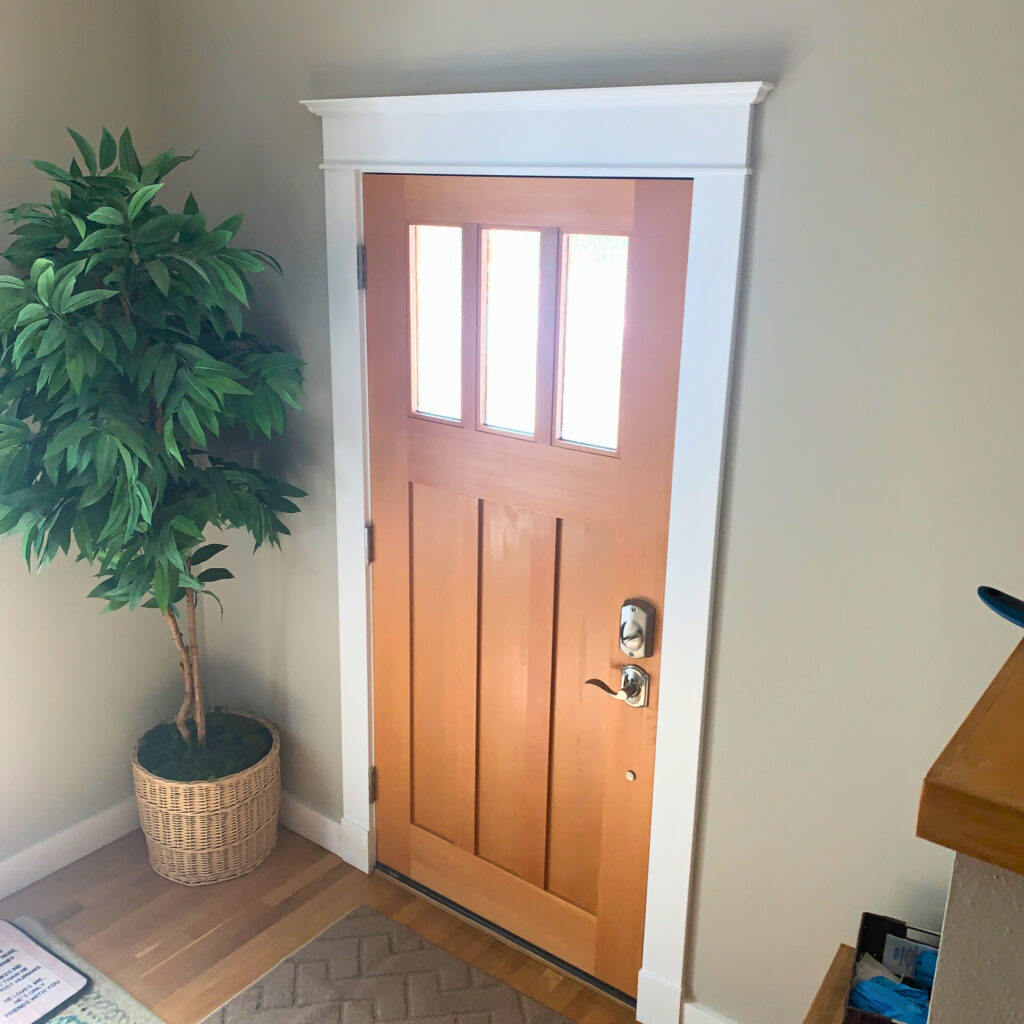
Expect labor and basic sundry install materials for a typical exterior door to range from $1,600 – $3,000 per door. Additional costs include the door, door hardware, door casing, door finishing, along with the items summarized in the Factors That Impact Cost section.
- Typical exterior door slab pricing can range from $600 to $3,000.
- Typical door hardware (knob and lockset) pricing can range from $200 to $800.
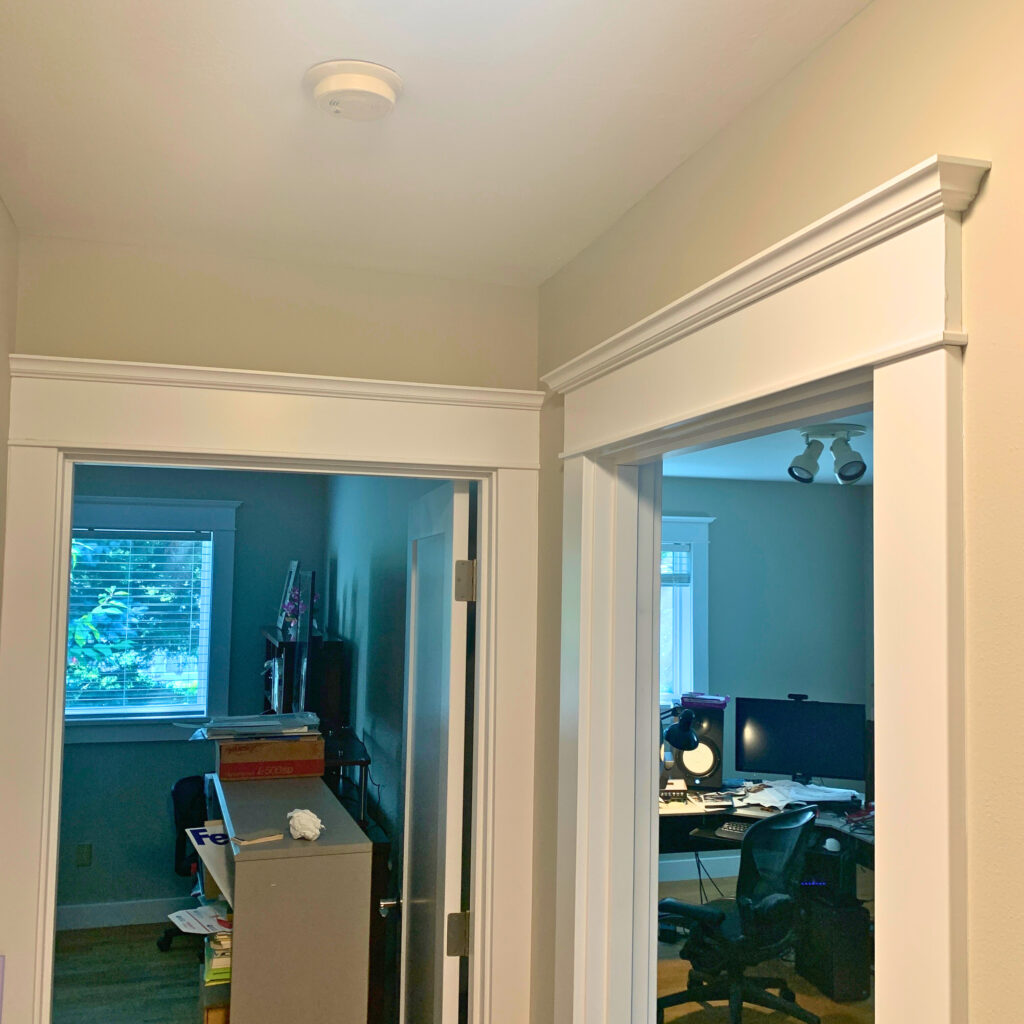
- Typical door casing can range from $100 to $200.
- Typical door finishing (paint or a clear finish coat) can range from $600-$1,200.
So this brings the ballpark cost for all labor and materials for a typical single exterior door to range from $3,100 to $8,200.
Interior Door Replacement Pricing
Typical all-in cost: approximately $1,100 per door. Minimum project: $1,500.
This includes labor, door slab, and basic installation materials — everything except hardware (knobs and levers) and paint, both of which are priced separately.
Every interior door we install is solid-core. We don’t install hollow-core doors. Our default approach is to hang doors on site rather than use pre-hung factory units — the door is fit to the actual opening conditions, resulting in consistent reveals and a door that closes cleanly. On remodels where budget or schedule is the priority, we will install pre-hung units. We use 1/4” radius hinges (Schlage or Baldwin), which produce a noticeably crisper result than the standard 5/8” radius.
Additional costs to budget for:
- Door hardware (knobs, levers, locksets): $25–$250+ per set. We typically recommend Schlage or Baldwin; Emtek and E.R. Butler & Co. are additional options we work with.
- Casing (trim around the door): priced separately, $2,500 project minimum. See our full pricing page for detail.
- Paint or finish: always a separate scope.
What pushes the per-door cost up: the door slab itself (mid-grade solid-core runs $300–$900; premium or custom doors cost more), pre-1978 homes requiring lead testing and additional site prep, complex jamb conditions or difficult site access, and door type — hinged, Dutch, pocket, French, and barn doors all carry different labor requirements. For the full breakdown, see What Does It Cost to Hire Burl?
Factors That Impact Entry and Interior Door Installation Cost
- Project size – The project setup costs, whether we’re handling a single installation or managing a project with 20+ doors, generally remain the same. We bring the same amount of tools and equipment, whether for a single-door installation or an installation of 20+ doors. Since this is generally a fixed project cost, that cost on a per-door install basis becomes lower as the door install quantity increases.
- This is a cost for every project and can typically range from $1,600 to $3,200 per project.
- Site location and accessibility- A single-story home with parking and a garage to secure our tools, materials, and workstations compared to a downtown highrise condo, somewhere with no parking, limited working hours, or other restrictions such as limited access, has a significant difference in project setup costs. Is the project block from our shop and where our team lives or a location that requires a ferry?
- Home age – If the home was built prior to 1978, lead testing is required for the surfaces being disturbed. As a certified lead-based renovator, we can test and work in homes with lead. Working in a home with a positive lead finding requires more prep, cleaning, and documentation compared to homes that do not require lead testing.
- Site protection – Are we installing in a vacant home or an occupied home that has different floor and dust protection needs? Additionally, are we installing where hardwood flooring was recently installed? Extra floor protection is needed and has an impact.
- Demo work – Are we removing door casing, door jambs, and doors, or is this a remodel or new build with everything down to the framing? Demo work can be quick. However, there are still costs, such as labor and dump fees.
- Door types – Materials and labor for installing a hinged door, dutch door, bifold door, pocket door, frameless flush door, or french door, or a barndoor all impact price.
- Door hardware – Installing standard bored hardware and traditional hinges or a mortise lock or flush bolts. In addition, if we are installing an exterior door, we replace the jambs, sill, threshold, and waterproofing, which is something other contractors may not do. This impacts labor and material costs.
- Door pre-hung vs. hung on-site – Fire doors must come pre-hung from the factory due to certification requirements. For all other doors, our default is to hang on site — the door is fit to the actual conditions of the opening, which produces better reveals and a cleaner result. On projects where budget or schedule is the priority, we will install pre-hung units. Either way, we use 1/4” radius hinges (Schlage or Baldwin) for a crisper, more refined look than the standard 5/8” radius.
- Door finishing – Most doors come from suppliers unfinished (painted, clear coat, stained, etc), we can install unfinished and leave the painting for others after we leave. We can have the doors pre-finished off-site by our prefinish trade partner, or we could finish the doors on-site. If we install pre-finished doors, how they get installed and handled throughout requires increased labor.
- Door casing – Are we installing casing (trim) around the door? For every door install, we install door casing on each side, and casing styles, materials, and other factors impact project cost.
- Design decisions – Need help selecting doors, door hardware, door casing styles, colors, finishes, and door swings, or do you already have all this information selected? We can provide passive help by providing links to online catalogs or active help by making suggestions and working with you in finalizing decisions. There is labor, and, at times, materials cost in design work.
Door Installation
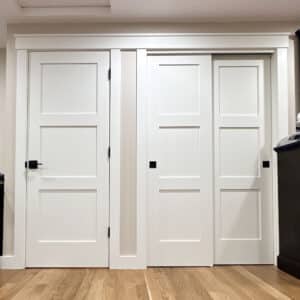
Dream door to reality: Select your slab, we handle the rest – measuring, sourcing, prepping, finishing, and flawless installation.
Door Hanging
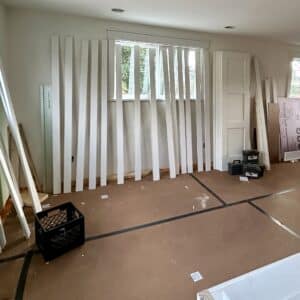
We handle hanging most doors ourselves, ensuring everything lines up just right. Fire doors, however, come pre-assembled to meet safety standards.
Mortise Lock Installation

For enhanced security, mortise locks require a dedicated pocket, or “mortise,” to be carved within the door’s edge, unlike traditional cylindrical locks that fit in pre-drilled holes. This specialized installation method, due to the mortise lock’s larger and more complex design, provides superior strength and security. We offer professional mortise lock installation to guarantee your lock’s flawless operation and maximum security.
Get Started
Why Does Trim Look Right in Some Rooms and Wrong in Others? A Seattle Finish Carpenter Explains
Why Does Trim Look Right in Some Rooms and Wrong in Others? A Seattle Finish…
How to Tell Your Contractor the Price Is Too High (Without Ghosting Them)
How to Tell Your Contractor the Price Is Too High (Without Ghosting Them) It happens…
Why “Door Matching” Sounds Smart — But Rarely Is
Why “Door Matching” Sounds Smart — But Rarely Is If you’re looking to replace a…
Dutch Doors: A Unique and Stylish Entryway Solution
Dutch Doors: A Unique and Stylish Entryway Solution Dutch doors are a unique and stylish…
What Is Millwork?
What is Millwork? Millwork is a general term for any type of woodwork or building…
What Is Finish Carpentry? Seattle Homeowner’s Guide to Trim, Doors, and Built-Ins
What Is Finish Carpentry and What Does It Include? When you’re investing in your home,…